World-Class Mountain Slopes and Historic Alpine Charm
Nestled at 7,908 feet in the Roaring Fork Valley, Aspen delivers an unparalleled combination of four distinct ski mountains, cultural prestige, and architectural grandeur.
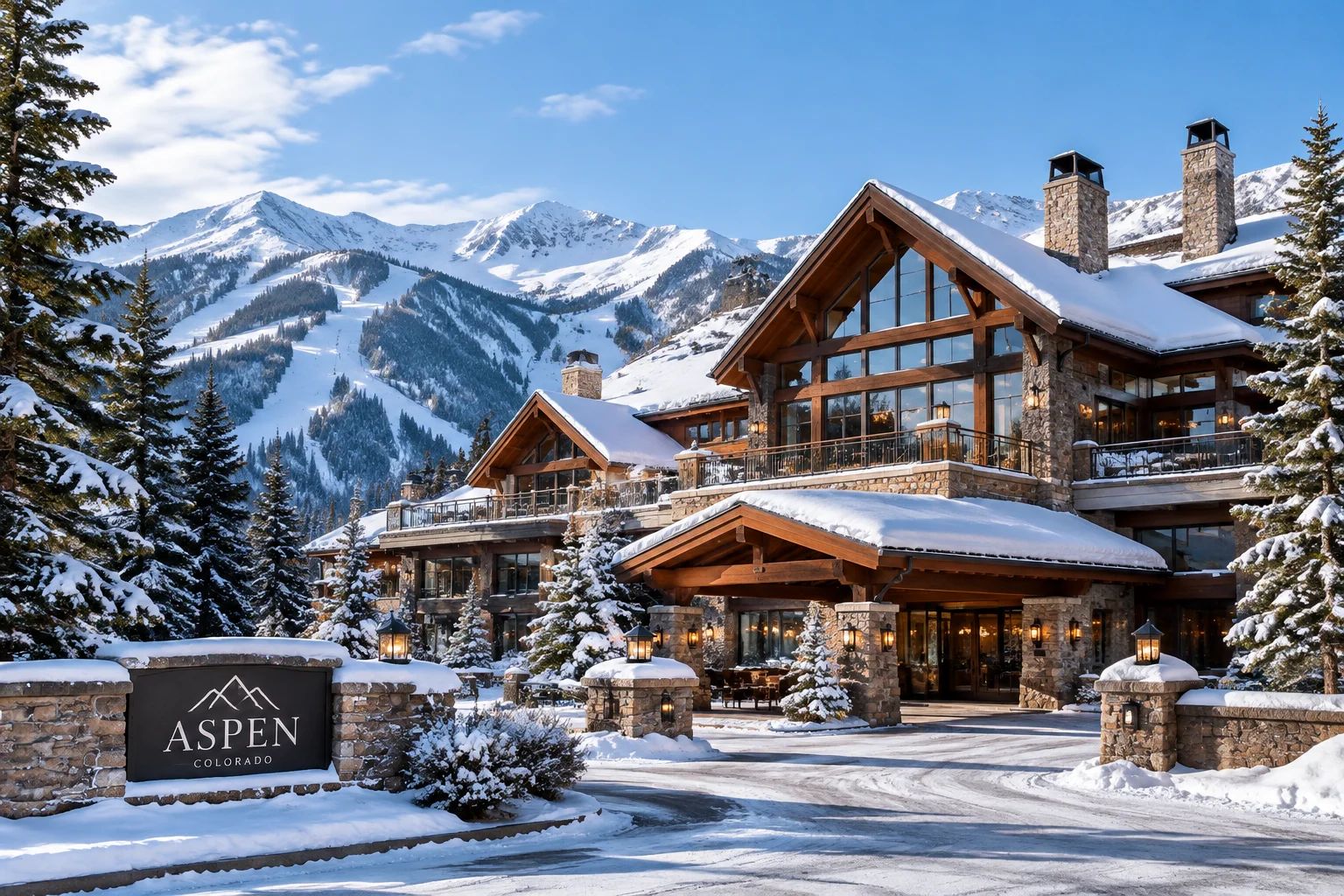
Rising sharply against the Elk Mountain Range, Aspen provides visitors with access to four distinct ski areas: Aspen Mountain, Snowmass, Aspen Highlands, and Buttermilk. These summits offer over 5,500 acres of meticulously groomed corduroy pistes, legendary backcountry bowls, and high-altitude tree runs. Beyond winter adventures, summer transforms the Roaring Fork valley into an idyllic sanctuary for alpine hiking along Cathedral Lake, mountain biking on Smuggler Mountain, and fly-fishing along the Roaring Fork River.
The town itself retains its rich 19th-century silver mining heritage, reflected in red-brick Victorian storefronts along Cooper Avenue and historic landmarks like the Wheeler Opera House. Visitors enjoy Michelin-recognized dining, prestigious contemporary art at the Aspen Art Museum, and summer symphonies hosted by the Aspen Music Festival. Luxury resort properties here seamlessly blend rustic Rocky Mountain timber styling with modern wellness facilities, heated outdoor pools, and dedicated ski-concierge services.
Key Resort Characteristics
- Destination Type
- Year-Round Alpine & Ski Resort
- Resort Classification
- Five-Star Luxury Mountain Destination
- Typical Nightly Rates
- $850 - $2,400 / night
- Architectural Atmosphere
- Modern Alpine Chalet & Historic Victorian
- Peak Travel Windows
- Dec - Mar (Ski) & Jun - Sep (Alpine)
Plan Your Aspen Mountain Vacation
Submit an inquiry to receive custom lodging options, private ski chalet availability, and seasonal travel guidance for your stay in Aspen.
Tailored Mountain Comfort & Services
Top accommodations in Aspen prioritize seamless mountain access, recovery wellness, and exquisite après-ski hospitality.
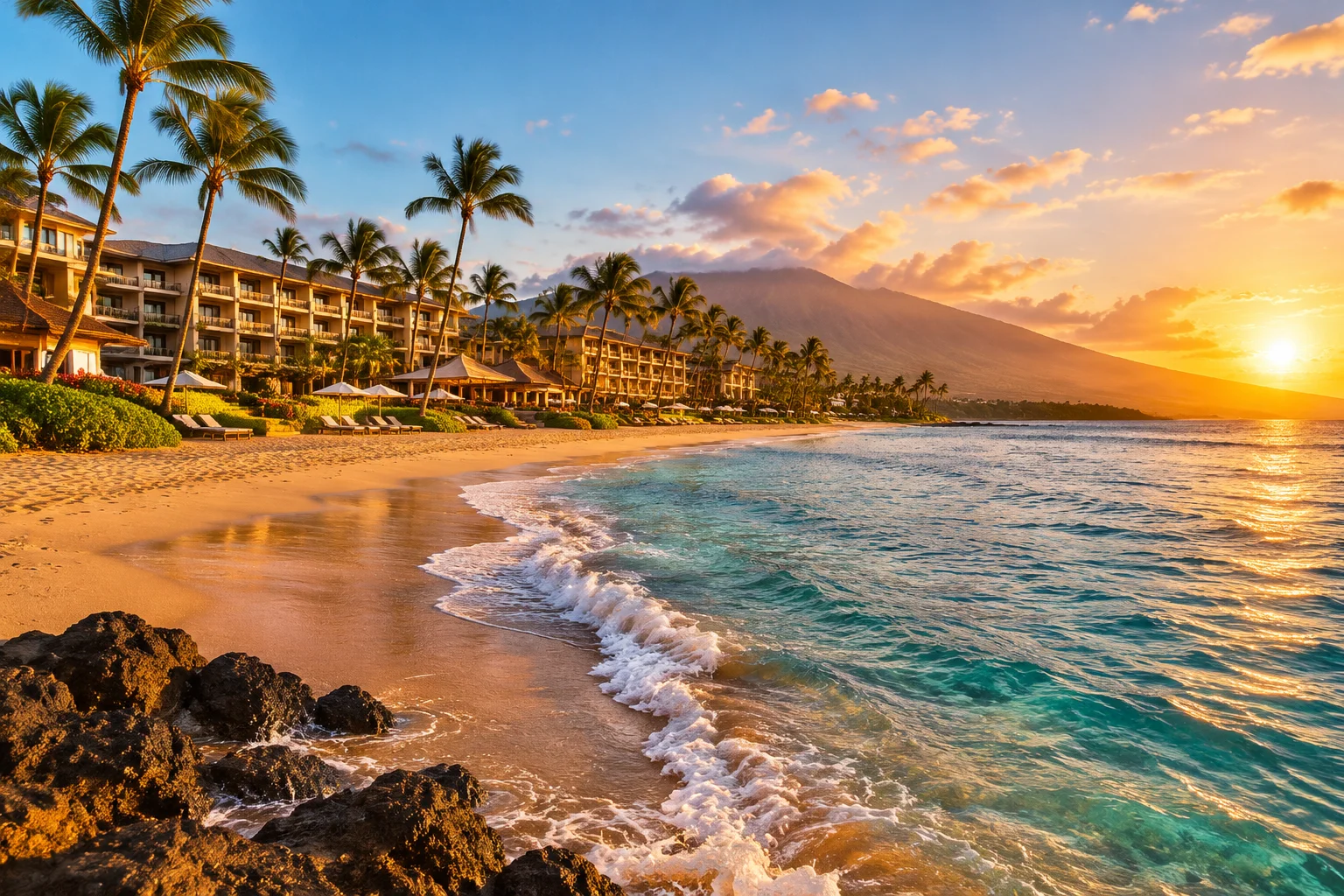
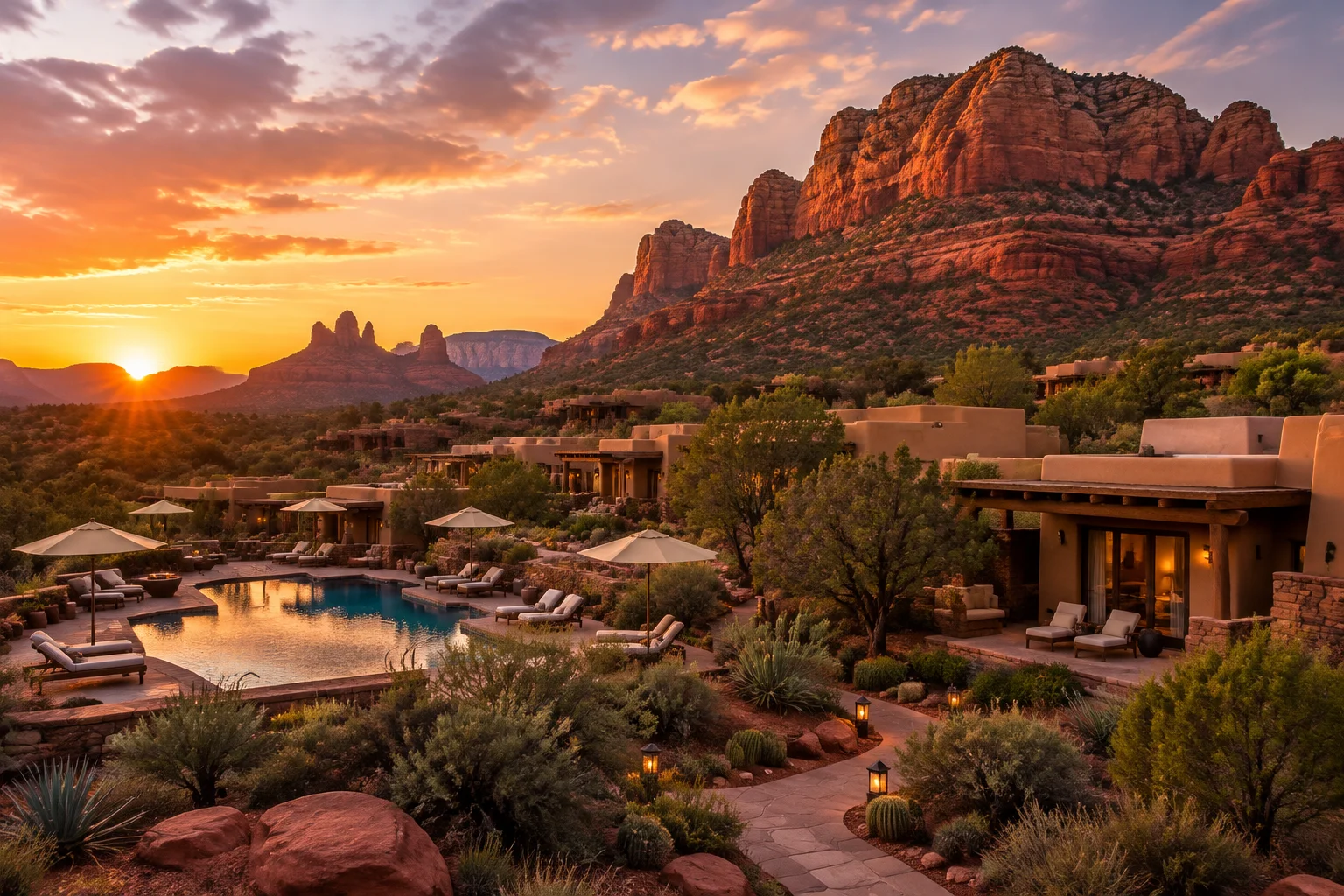
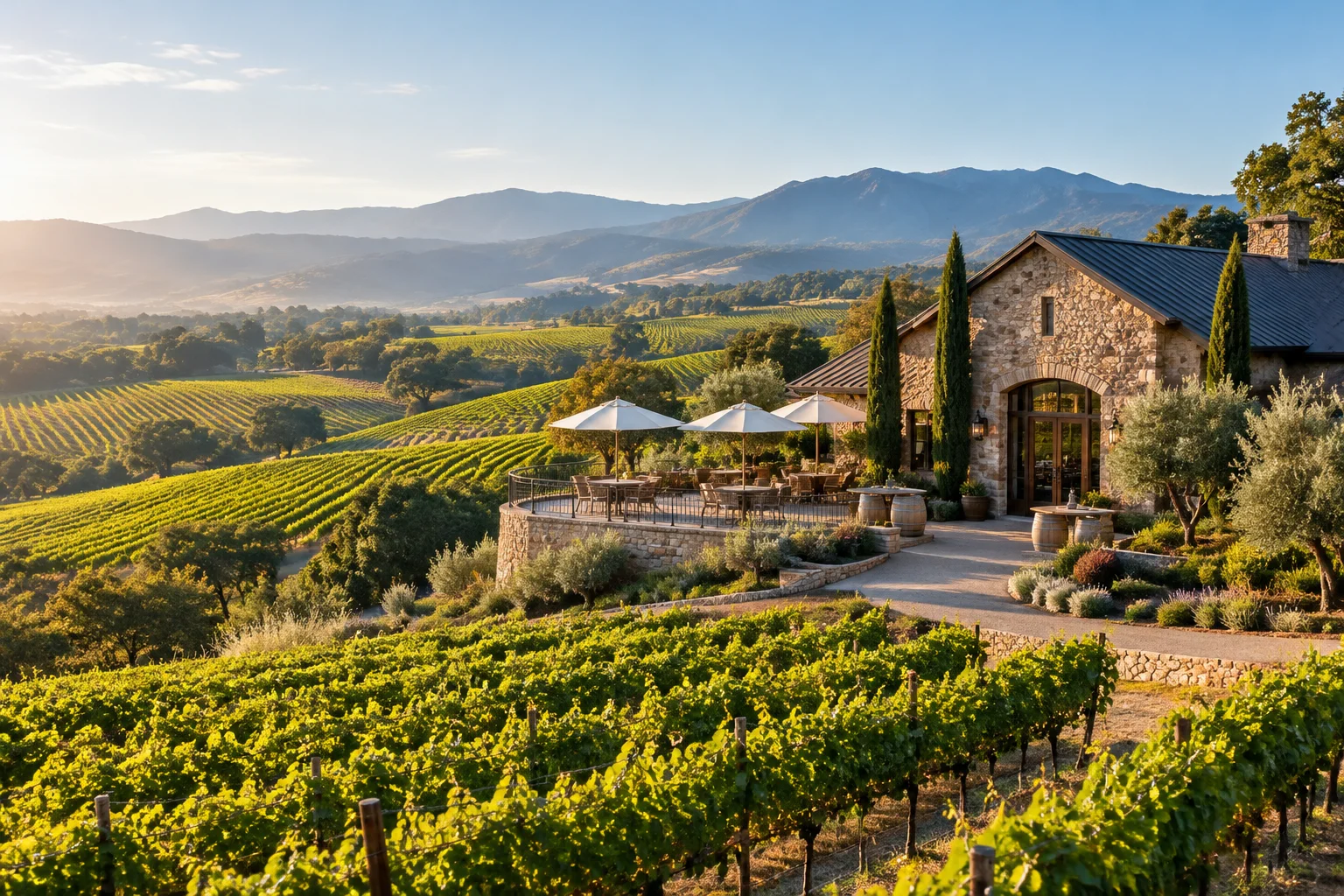
Explore Other Top-Rated American Resorts
Compare Aspen with other high-ranking luxury destinations curated for discerning travelers.
Frequently Asked Questions About Aspen
Answers to common traveler questions regarding altitude, seasonal timing, ski terrain, and local transportation.
Winter sports enthusiasts typically visit between mid-December and late March when snowfall is at its peak across all four mountains. For warm-weather hiking, wildflowers, and cultural gatherings like the Aspen Ideas Festival, the ideal window spans from late June through September.
Buttermilk is famous for beginner greens and family-friendly terrain, Snowmass offers expansive intermediate cruising runs, Aspen Mountain (Ajax) caters strictly to intermediate and expert skiers without green runs, and Aspen Highlands attracts advanced skiers tackling Highland Bowl.
Aspen sits at an elevation of 7,908 feet, with mountain summits exceeding 11,000 feet. Travelers should drink plenty of water, pace physical activity during the first twenty-four hours, limit alcohol consumption, and consider altitude adjustment supplements or hotel oxygen concentrators if sensitive.
A rental car is generally unnecessary. The Roaring Fork Transportation Authority (RFTA) operates free, frequent shuttle buses connecting downtown Aspen to Snowmass, Buttermilk, and Highlands. Most luxury resort lodges also provide dedicated private shuttles to and from Aspen/Pitkin County Airport.
Getting to Aspen & Roaring Fork Valley
Convenient alpine access via Aspen/Pitkin County Airport and direct scenic mountain corridors.
Situated in west-central Colorado within the White River National Forest, Aspen is easily navigated on foot or via complimentary shuttle services. High-end accommodations cluster closely around the downtown historic core and the base areas of Aspen Mountain and Snowmass Village.